What are you trying to work out?
Start with your question. Find a worked example, a practice step and the limits of what the evidence can tell you.
-
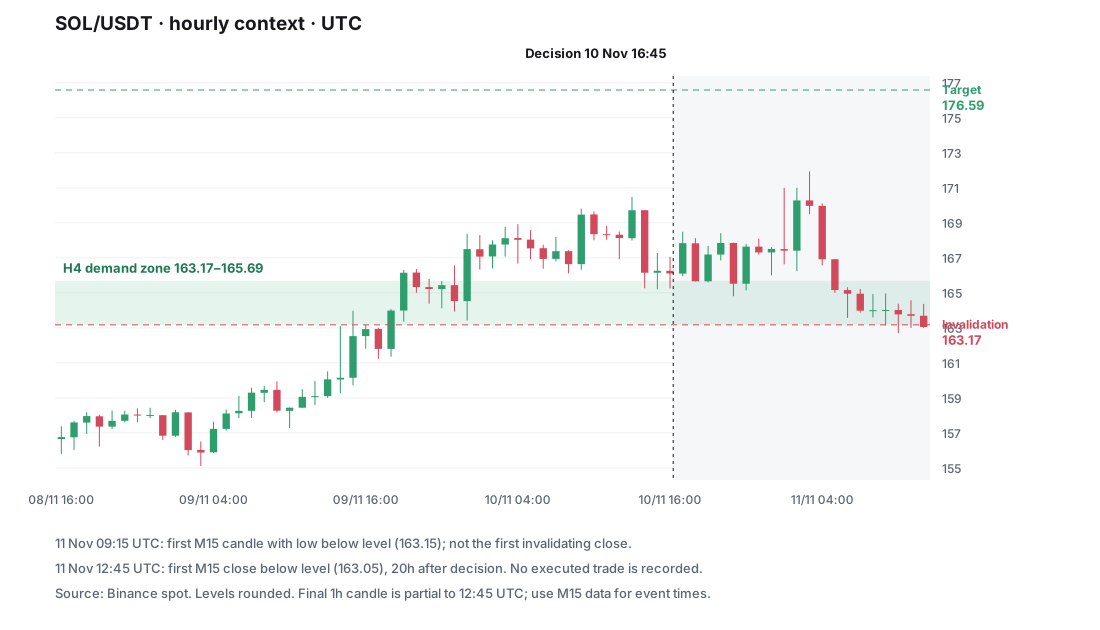
Where do our real trading cases and zone statistics come from?
How our selected Binance cases, fixed draw and 72-hour labels work. Inspect the SOL timeline, public files and limits of the 110-touch aggregate.
-
Which tool should I use to practise price action?
Choose a price action practice tool by your learning goal, device, market data and review needs. A documented comparison with clear product limits.
-
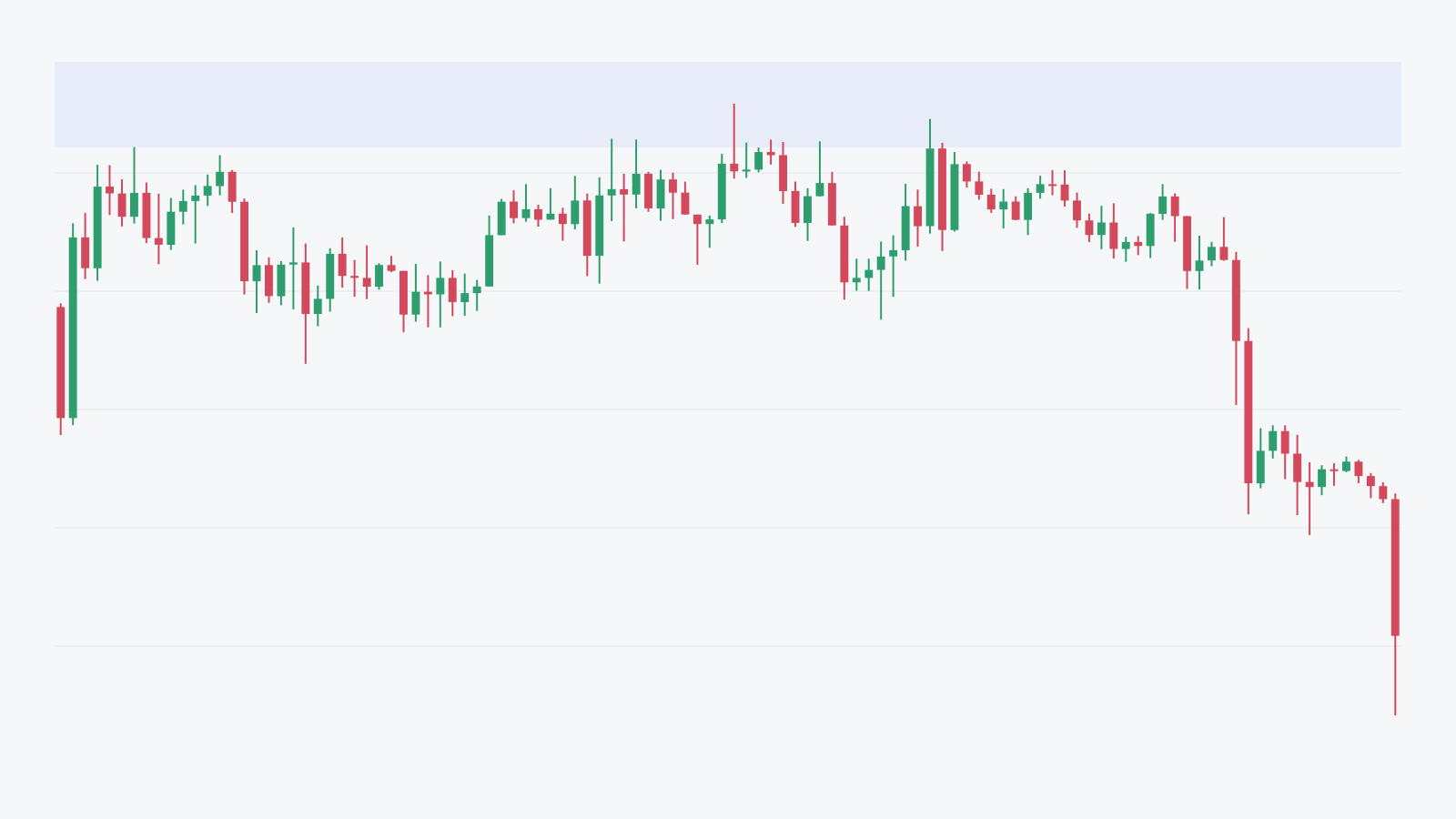
What is FOMO in trading and how do I stop chasing big candles?
If you chase a move outside your plan, compare the changed risk-reward and log the decision. A worked example separates arithmetic from FOMO claims.
-
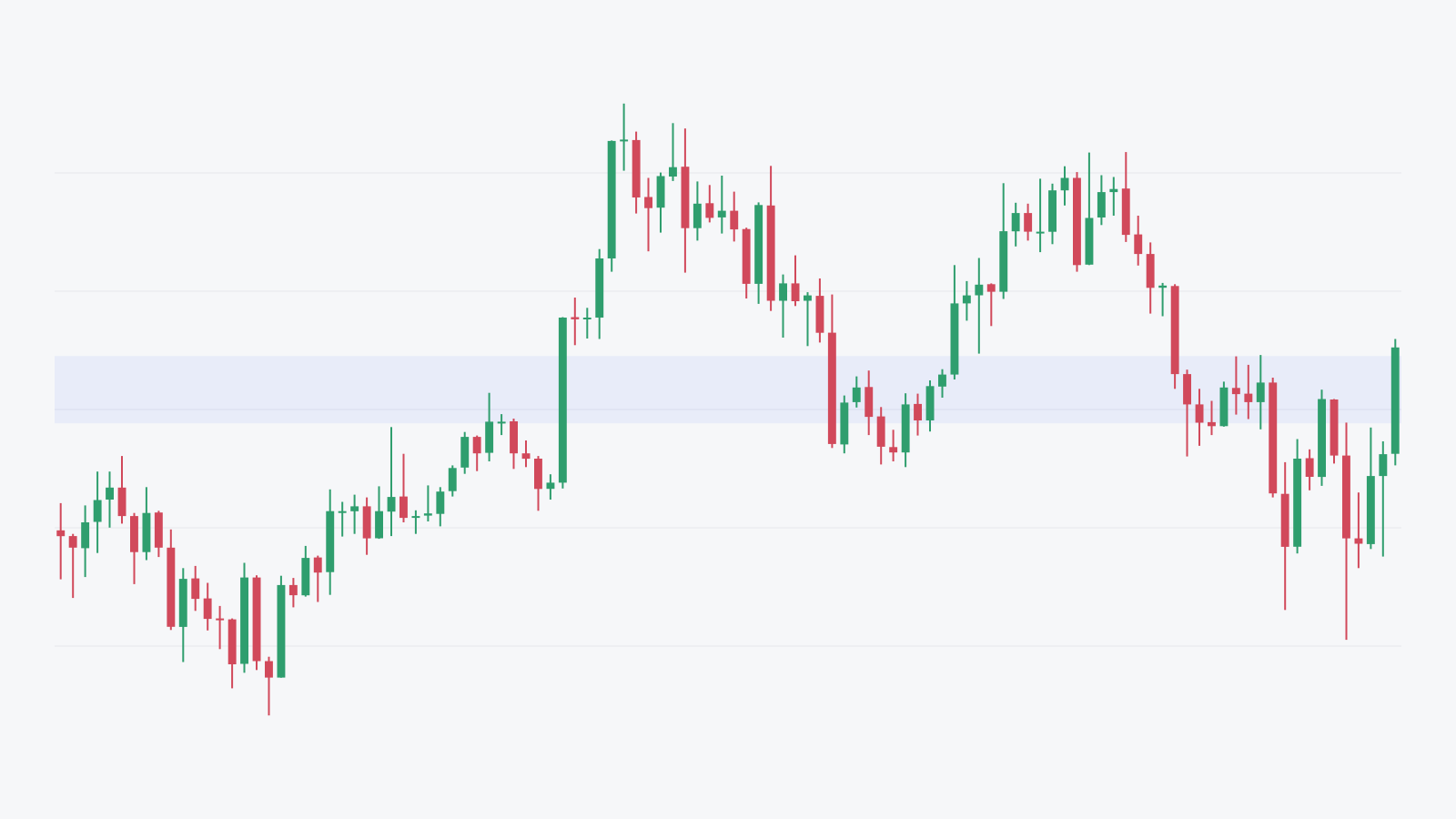
Does price action work? How to assess a trading rule
Price action names a broad approach, not a proven edge. Learn how to define one rule, avoid hindsight and test net results on untouched data.
-
How long should I practice before trading real money?
No number of weeks or practice trades proves readiness for real money. Review your rules, test assumptions and understand what simulation leaves out.
-
How do I calculate position size from my stop loss? Worked examples
Size a linear position from a chosen risk budget, stop distance and unit value. Examples state fill, cost, contract and currency assumptions explicitly.
-
How do I stop revenge trading after a losing trade?
If a loss prompts an unplanned re-entry or larger size, try a prewritten pause-and-review routine. Compare fixed and doubled risk with stated assumptions.
-
How do I write a trading plan? A fill-in template
A trading plan is one page of rules written before you trade: market, setup, entry, stop, target, risk per trade, daily loss limit and a review routine.
-
Know candlestick patterns but not when to enter? How to practice
You spot candlestick patterns on finished charts but freeze on a live one? How to practice trade entries on real cases, with a worked example and data.
-
I study trading but still feel lost. What should I practise?
If more trading videos leave you confused, find the first task you cannot perform: reading candles, defining a rule, sizing risk or reviewing decisions.
-
How to manually backtest a trading strategy on iPhone (no code)
Step-by-step manual backtesting of forex, gold and crypto on iPhone: hide the future, log entry, stop loss and take profit in R, plus a journal template.
-
How to practice price action on iPhone without risking real money
Want to practice price action on iPhone before trading real money? How to practice on historical charts and what Price Action Trading Simulator offers.
-
How much should a beginner risk per trade? Risk management basics
Learn planned risk, R and drawdown with hypothetical examples. A 1% rule is a chosen budget, not a safety threshold or guaranteed stop-loss limit.
-
How do I know if I'm overtrading, and how do I stop?
Compare your trade count with written rules, calculate assumed costs and log unplanned entries. A daily cap is a practice choice, not a universal cure.
-
What Is Risk-Reward Ratio? The Win Rate You Need to Break Even
R:R compares planned risk and reward. With fixed +2R wins and −1R losses, break-even is 33.3% before costs. Examples show why targets are not realised payoffs.
-
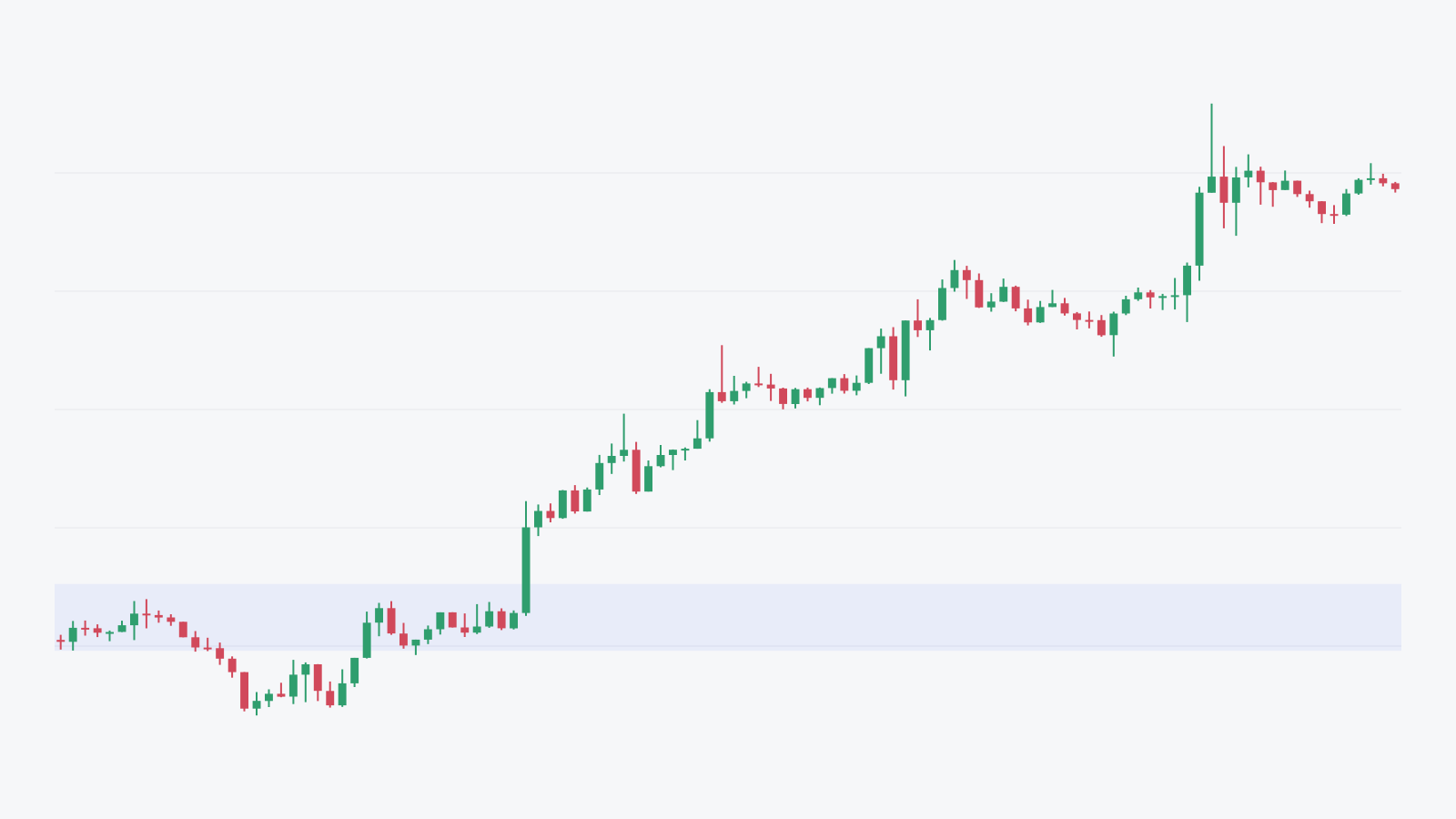
Can't Stop Watching the Chart After Entering a Trade? What to Do
If you keep checking an open trade, review exposure, exit rules and monitoring needs. A candle-close schedule only fits a rule designed to use closes.
-
Why is my backtest profitable but live trading loses?
Audit the backtest-to-live gap: costs, fills, future leakage, rule changes and market exposure. Use a matched decision record before blaming psychology.
-
Trading journal: what to record and how to review mistakes
Record rules and planned risk before entry, then actual fills, costs and compliance. A journal separates execution mistakes from an untested strategy.
-
How to Stay Calm and Disciplined When Trading
Turn trading discipline into observable checks: written rules, planned risk and a record of deviations. Practice supports review, not a promise of calm.
-
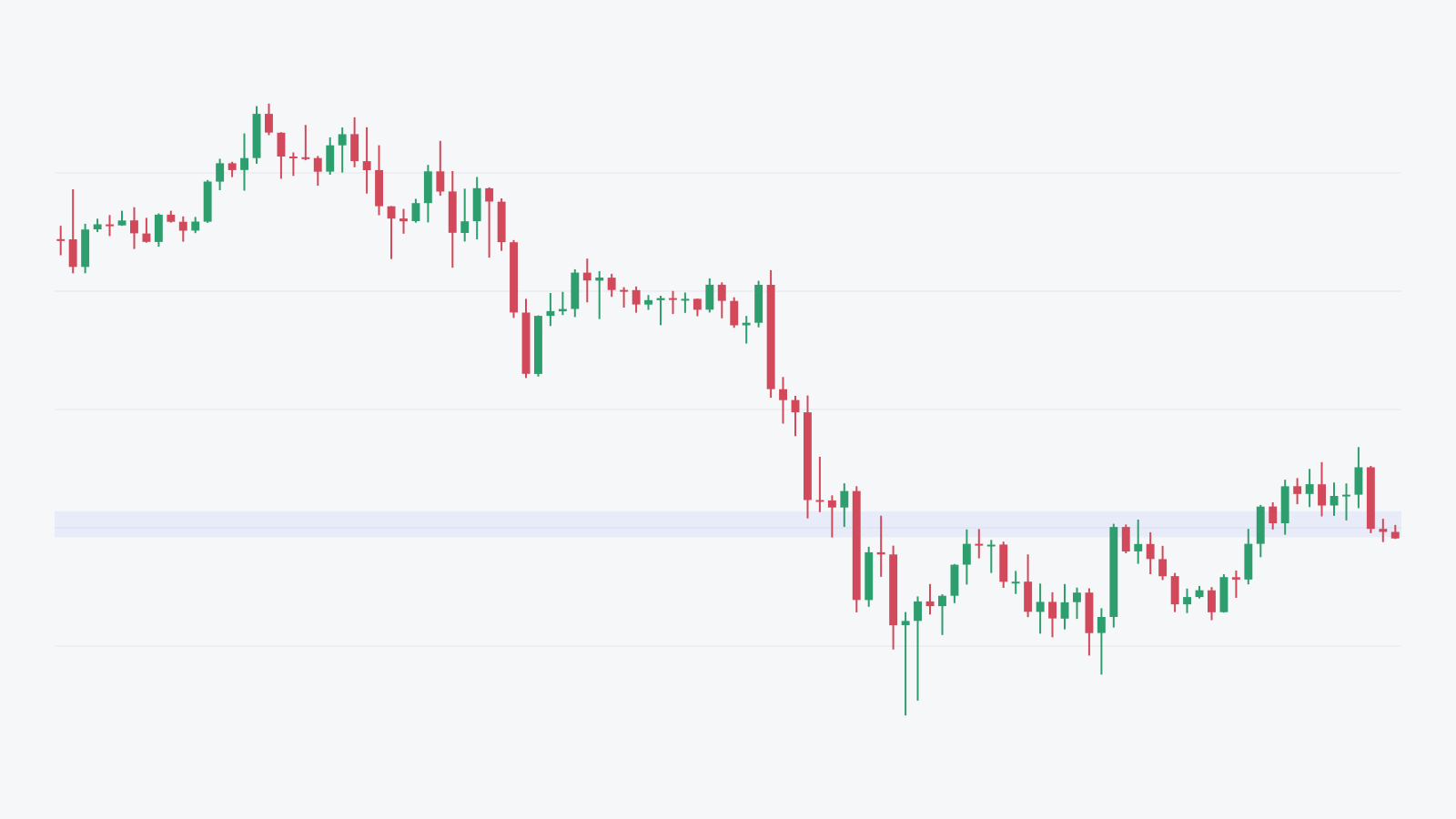
Where should I place my stop loss? A price action guide
Choose an exit rule before sizing a trade. A fixed stop and a candle-close invalidation are different; a real SOL timeline shows why fills matter.
-
Can a 40% win rate at 2R make money after trading costs?
At 40% wins and 2R payoff, gross expectancy is 0.2R per trade. Calculate how fees, spread, slippage and variable exits change break-even.